Legacy software modernization services that keep your product running
Customers still use and pay for the product, but every release on the old code carries risk. Our application modernization services move it to a modern stack one module at a time, without disrupting users or putting your roadmap on hold for a year-long rewrite.
Book a free consultationSigns you need legacy application modernization services
Old code alone isn’t a reason to invest in modernization. These situations are, because each one already affects revenue or the people who use and maintain the product.
Even small changes require full regression testing
A two-line fix spends a week in manual testing. The team releases once a month and still expects something to break.
Only one engineer understands the core logic
Billing or permissions depend on code that only one person understands. When that engineer is unavailable, no one else feels safe changing it.
The legacy stack drives candidates away
Job descriptions mention .NET Framework 4, PHP 5, or AngularJS. Experienced engineers see the stack and move on.
New integrations have no clean entry point
A partner needs an API, or leadership wants to add AI features. The monolith offers no safe place to connect either one.
What legacy code costs you every quarter
An old system costs you in support hours, hosting costs, and slower releases.
| Inside the legacy system | Where you pay for it |
|---|---|
| Framework versions past end of support | Security patches that never arrive, and audit findings you can’t close |
| One database shared by every module | A reporting bug takes checkout down with it |
| Manual deploys to a single server | Releases scheduled for 2 a.m. so fewer customers see the outage |
| No automated tests | QA hours on each fix exceed the hours spent writing it |
| Business rules buried in stored procedures | Weeks of digging before any new feature starts |
| Servers sized for peak load all year | Hosting bills that grow while usage stays flat |
Within 2 weeks, one module of your product already runs on the new stack.
That’s our guarantee: no result, no payment.
Contact usHow our legacy software modernization company replaces old code in stages
A full rewrite can freeze the roadmap for months and recreate old bugs in a new codebase. Our legacy system modernization services use the strangler fig pattern instead. We replace modules one at a time until we can retire the legacy system.
Step 1. Map the system
days 1–5
Our senior engineers review the codebase, database schema, and deployment setup. AI tools help us scan a large codebase faster, but an engineer verifies every finding.
Deliverable: a dependency map, a recommendation to keep, refactor, or replace each module, and a fixed price for the first milestone.
Step 2. Add tests and move the first module
weeks 1–2
Before moving any code, we write tests that capture how the current system behaves. We then move the module responsible for the most incidents to the new stack behind an API layer.
This first module is the milestone covered by our guarantee.
Step 3. Replace modules in 2-week cycles
Each cycle moves another part of the product. The old and new systems run side by side while we gradually shift traffic. If something goes wrong, it affects only a small group of users, and we can roll back within minutes.
Data moves with the module that owns it, so our legacy migration services don’t require one high-risk cutover weekend.
Step 4. Retire the old system
Once nothing depends on the legacy code, we shut it down along with its servers and licenses.
We can continue building the product with you or hand everything over to your team, including the code, automated tests, CI/CD pipeline, and documentation.

See one module running on the new stack in 2 weeks.
Book a free consultationWhat we keep and replace
Software modernization services go wrong when no one defines this boundary before work begins. Our audit sets it for every module. A legacy modernization company that skips this step risks rewriting code that already works.
Kept
- Business rules and calculations your customers rely on.
- Customer data and accounts, migrated with checks at every step.
- Integrations with partners, behind the same contracts they use today.
- Modules that work and change rarely, refactored only if needed.
Replaced
- Framework and runtime versions that no longer get security patches.
- The monolith’s tight coupling, split into services with their own APIs.
- AngularJS and jQuery screens, rebuilt in Vue or React.
- Logic hidden in stored procedures, moved into tested application code.
Client Story
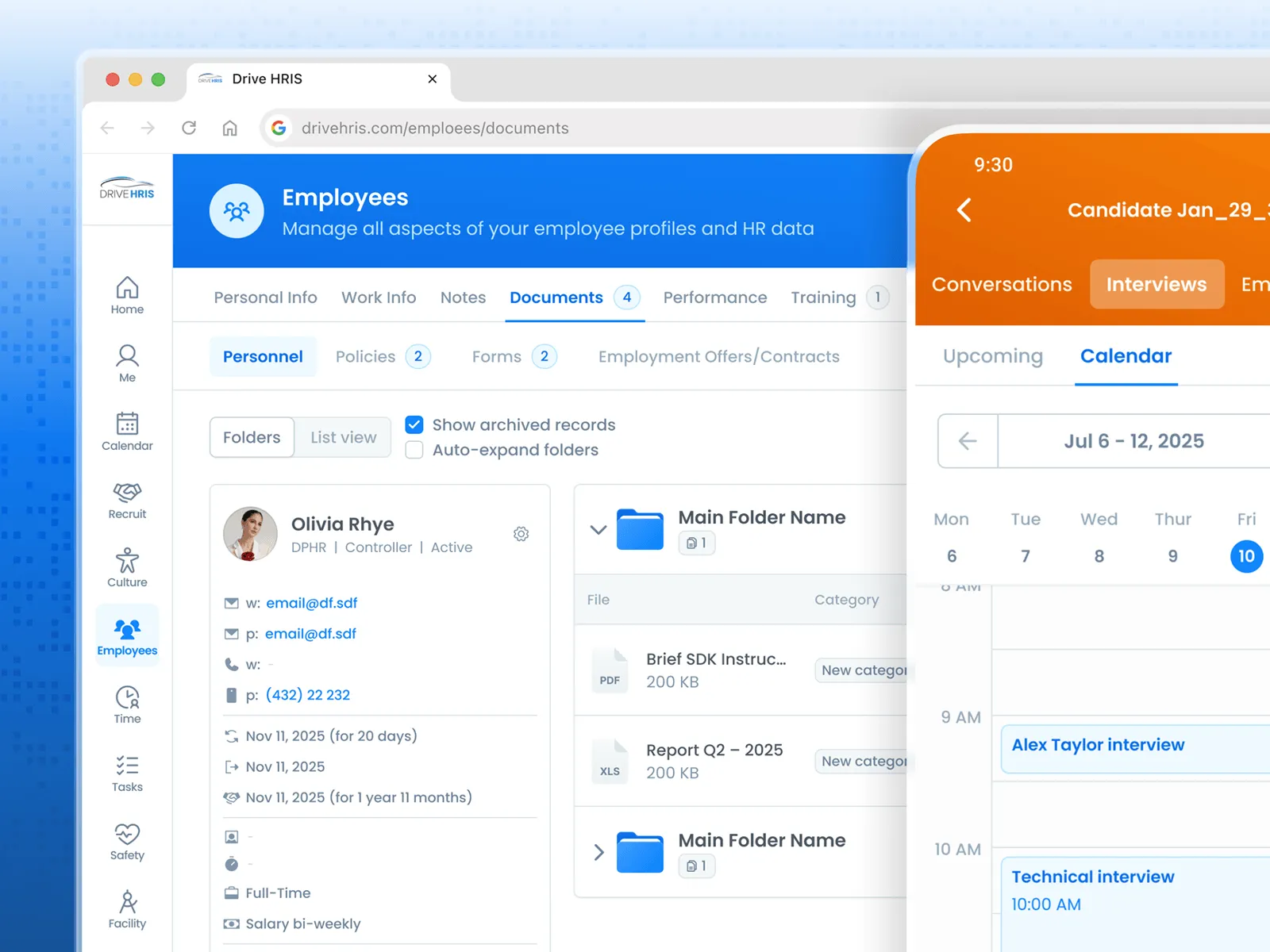
Redesigned and rebuilt an enterprise HR platform from a slow legacy app into a fast, modern product we fully own and deliver
10K+
active daily users across Canada
100+
screens redesigned and rebuilt
5 years
of partnership and counting
 View details
A founder came to us with an enterprise product that had hit a wall. The UI was outdated, and the app had become painfully slow across 100+ screens.
We started in 2021 with one goal: make the product fast again and refresh the interface. As we rebuilt the UI and fixed performance issues, the app became stable and responsive.
Over time, the client trusted us with more, and the work grew into full product ownership — covering frontend, backend, mobile, architecture, and delivery.
Read client storyIndustries where we modernize legacy systems
Legacy systems may contain business rules that no one documented. Teams familiar with dealerships, clinics, and payments can identify them in the first week, before a migration changes or breaks them.
Automotive
Dealer management and compliance systems that have grown on one codebase for a decade and now slow every rollout to a new location.
Fintech
Payment and lending platforms where every migrated record needs a complete audit trail, and downtime reduces transaction volume.
TaxTech & WealthTech
Calculation engines and portfolio tools where old formulas must return the same results after migration, down to the cent.
Martech
Campaign and outreach platforms with legacy pipelines that can no longer handle today’s volume of customer data.
HR tech
Recruitment, training and compliance platforms used daily by thousands of employees, so modules must change without interrupting their work.
Travel & tourism
Booking engines connected to dozens of third-party feeds, where the switch must happen between peak seasons.
Healthcare
Procurement and practice management systems for clinics, where sensitive records must move under strict access controls.
Testimonials
More Than a Vendor
We work as an extension of your team, combining technical expertise, ownership, and clear communication to deliver real business results.
"The most impressive aspect of Softonix is their willingness to take on new challenges and work."

Daniel Locksley
VP Product & Technology
"Rather than coding for its own sake, their team is passionate and takes great pride in what they build."

Daniel Wiener
Co-Founder and CEO
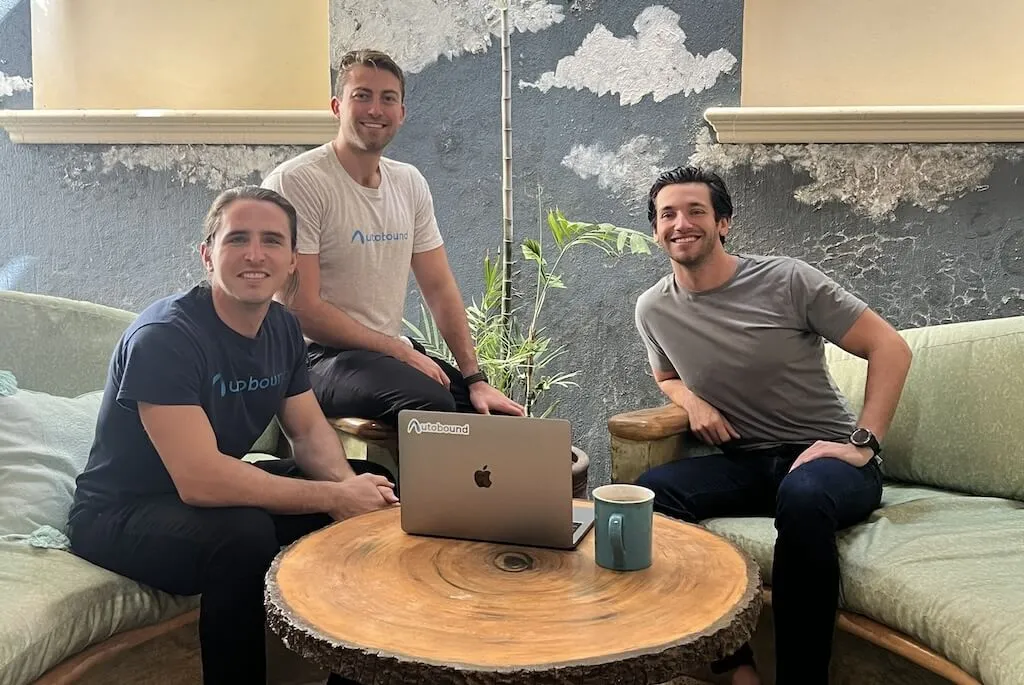

"They care for your product as much as you do."
Andreas Zimmerer
Head of Engineering
"Their engineers are world class and communication from the team is fantastic. I couldn't have asked for a better team."

John Figueiredo
CEO
"These guys are incredibly easy to work with."

Chris McShane
CEO
"Pleasure to work with. They have great skills and are prompt. Absolutely planning to work with Softonix on future projects."

Jarrett Kuljis
Co-founder & Technical Director
"Exceptional team with very high quality and commitment. They are fast, efficient, and hardworking."

Sreejith Partha
CEO

"It's rare to find a team that combines strong technical execution with genuine commitment."
Jeff Chan
CEO
"The most impressive aspect of Softonix is their willingness to take on new challenges and work."
Daniel Locksley
VP Product & Technology
"Rather than coding for its own sake, their team is passionate and takes great pride in what they build."
Daniel Wiener
Co-Founder and CEO
"They care for your product as much as you do."
Andreas Zimmerer
Head of Engineering
"Their engineers are world class and communication from the team is fantastic. I couldn't have asked for a better team."
John Figueiredo
CEO
"These guys are incredibly easy to work with."
Chris McShane
CEO
"Pleasure to work with. They have great skills and are prompt. Absolutely planning to work with Softonix on future projects."
Jarrett Kuljis
Co-founder & Technical Director
"Exceptional team with very high quality and commitment. They are fast, efficient, and hardworking."
Sreejith Partha
CEO
"It's rare to find a team that combines strong technical execution with genuine commitment."
Jeff Chan
CEO
Does the whole stack need to change?
Sometimes only one layer of the system needs updating. If that’s your case, a focused service will cost less than full modernization.
UI/UX redesign and frontend upgrade
The backend still works, but the interface looks dated.
AI-augmented development services
The code is current, but your team ships less each quarter.
Architecture and codebase audit
You want an outside review before committing a budget.
Let’s talk
If you are building something meaningful and need a team you can rely on, we are ready to step in. Tell us what you are working on or book a call when it suits you.


Legacy modernization services FAQ
The price depends mainly on the codebase size, the number of integrations, and the amount of data that needs to move. After the first week of system mapping, you receive a fixed price for the first milestone and an estimate for the remaining work. We don’t bill modernization as open-ended time.
The first module goes live within 2 weeks. Modernizing a mid-sized product usually takes several months, with work completed in 2-week cycles. You see working results after every cycle instead of waiting until the end.
The process doesn’t require planned downtime. The old and new modules run in parallel, data remains in sync during the switch, and traffic moves gradually. If something goes wrong, we can roll back within minutes.
It may look faster on paper. In practice, a full rewrite forces you to rediscover years of business rules while the old system keeps changing. We rebuild only the modules that can’t be saved and keep the parts that still work.
We modernize products built with .NET, PHP, Python, and JavaScript, including older AngularJS and jQuery frontends. Common target technologies include modern .NET, Node.js, Python, Vue and React, with cloud hosting on AWS, Azure or GCP.
Yes. Your developers can own some modules while we handle others, or join our delivery cycles and learn the new architecture as it grows. At handover, they receive the tests, CI/CD pipelines, and documentation.
Yes. The system map created during Step 1 is available as a standalone deliverable. The plan is yours to keep, whether you build with us, another application modernization company, or your in-house team.
AI features need clean APIs and well-structured data, which older monoliths often lack. DriveHRIS is one example. After the modular rebuild, the team added resume summaries, automated compliance tools, and intelligent onboarding without changing the core system.